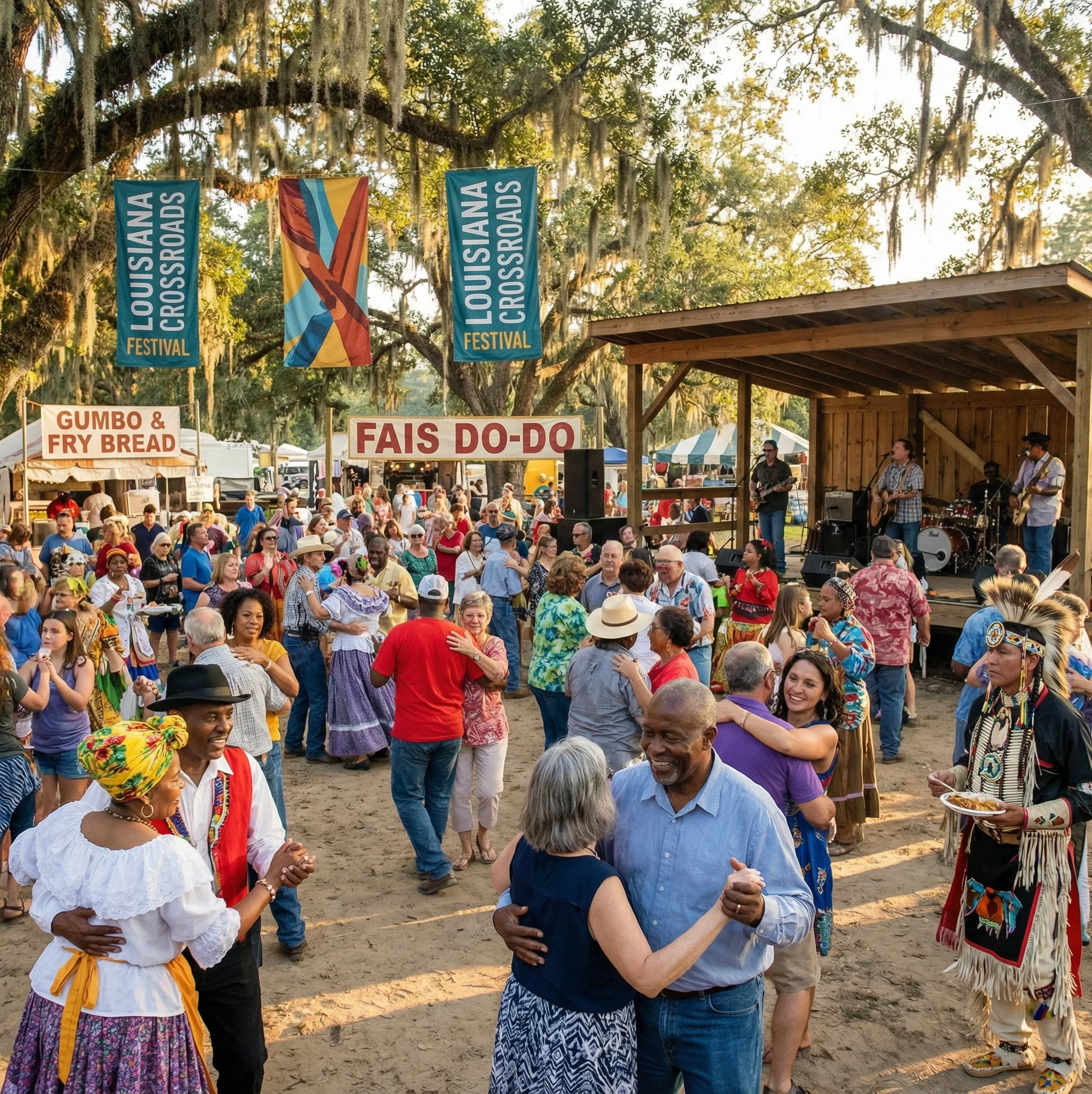
Louisiana is home to some of the most engaging and vibrant festivals in the United States, serving as a powerful testament to its rich cultural heritage. These celebrations aren’t just a spectacle; they play a crucial role in preserving and sharing the traditions of the Bayou State with the world.
Mardi Gras stands out as perhaps the most famous of Louisiana’s festivals. While many just think Mardi Gras is about the parades, there’s so much more to it. The elaborate costumes, the music filling the streets, and the sense of unity are part of deep-rooted traditions that showcase the creativity and the spirit of the local communities. Jumping into the chaos of Mardi Gras, you feel the pulse of history and culture merged into one exhilarating experience.
Then there’s the New Orleans Jazz and Heritage Festival. It’s where the past and present collide through the universal language of music. You get to hear world-famous jazz artists alongside local talents who highlight the region’s musical legacy. It’s more than just good tunes; it’s an audio tapestry that speaks volumes about Louisiana’s diverse cultural landscape.
The Crawfish Festival is another gem, capturing the essence of Cajun culture in its full glory. Think of it as a giant outdoor kitchen where everyone’s invited. The communal spirit, as people gather to enjoy heaps of crawfish cooked to perfection, is something special. Here, food is not just for eating—it’s a medium through which stories are told and cultural connections are made.
Each festival offers a unique opportunity to engage with Louisiana’s culture on a deeper level. The trick is to participate fully—immerse yourself in the festivities, engage with locals, and soak up the stories. That’s how you move from being an outsider to someone who truly gets what makes Louisiana’s heritage so captivating.
Artisanal Crafts and Techniques: Preserving the Craftsmanship of the Bayou
Exploring the world of Louisiana’s traditional crafts is like opening a window into the soul of its culture. The state boasts a rich history of handmade arts, each piece telling a story rooted in time and place. These crafts aren’t just about skill; they reflect the resourcefulness and creativity of the people who lived and thrived in this diverse landscape.
Traditional crafts like basket weaving and quilting are central to Louisiana’s cultural identity. These pieces aren’t just decorative; they serve practical purposes and are created using techniques passed down through generations. You’re not just looking at a basket or a quilt; you’re seeing a legacy preserved through painstaking detail.
Meeting local artisans is a treat in itself. These talented individuals are the keepers of tradition, pouring their heart into each unique creation. Their passion shines through in their stories about how they mastered their craft, often learning it as children from parents or grandparents. These personal interactions bring the crafts to life, bridging the gap between observer and creator.
Visiting a craft workshop offers a deeper understanding of these art forms. Inside these bustling spaces, you witness firsthand how raw materials transform into beautiful products through skilled hands and age-old techniques. Digging into this process helps you appreciate the craftsmanship and the cultural narratives intertwined with it.
Supporting Louisiana’s artisans means ensuring that these vital traditions continue for future generations. When purchasing handmade crafts, look for authentic local products that reflect the area’s heritage. By choosing these unique items, you contribute to the livelihood of artisans and the preservation of cultural history, making each purchase an act of cultural appreciation.
Savoring Authentic Louisiana Cuisine: Flavors That Narrate History
Food in Louisiana is more than a meal; it’s an experience that ties together past and present. Creole and Cajun cuisines stand out, each with its own unique blend of flavors that reflect the state’s multicultural roots. These dishes aren’t just recipes but narrators of history telling stories of French, African, Spanish, and Native American influences.
Understanding the core ingredients is key to grasping the essence of Louisiana’s cuisine. Staples like bell peppers, onions, and celery are foundational, often referred to as the ‘holy trinity’ in cooking here. Add spices, and you get a dance of flavors that’s complex yet comforting. Discovering these nuances helps you appreciate what makes the local food scene unlike any other.
Sampling traditional dishes is a must. Gumbo, Jambalaya, Boudin, and Beignets are more than just food; they’re cultural symbols. Gumbo, with its rich, roux-based broth filled with seafood or meat, speaks to the vibrant mix of influences shaping Louisiana’s culinary landscape. Jambalaya brings together ingredients in a hearty, satisfying way, reminiscent of paella. These meals are a tribute to the shared history and community that define the region.
Food also acts as a window to Louisiana’s past. Through family recipes handed down over generations, you taste the evolution and melding of cultures that have left their mark on this place. Each bite connects you with the legacy of those who came before, making dining here an act of cultural immersion.
Finding authentic dining experiences can transform your visit. Search for local eateries and hidden gems where the heart of Creole and Cajun cooking is thriving. Eating where the locals eat not only ensures a delicious meal but also provides a deeper connection to the community and its heritage.
Engaging with Louisiana’s Unique Communities: Stories from the Bayou
Louisiana is home to a rich tapestry of communities, each bringing its own unique traditions and stories to the cultural mosaic. From the Acadians and Creoles to Native American tribes, these groups have shaped the state’s identity and heritage in profound ways. Understanding these communities offers deeper insights into the social fabric that makes Louisiana so vibrant.
The Acadians, often known as Cajuns, have a fascinating history that traces back to French settlers who migrated here after being expelled from Canada in the 18th century. Their unique lifestyle, language, and culinary practices are an integral part of Louisiana’s cultural landscape. Engaging with the Cajun community means tapping into a rich tradition of resilience, hospitality, and joy.
Creole culture is another cornerstone of Louisiana’s identity, characterized by a diverse blend of French, Spanish, African, and Caribbean influences. This melting pot is vividly expressed in everything from music and dance to architecture and food. The Creole people provide a living connection to the state’s colonial past and its enduring impact on today’s culture.
Native American tribes, including the Houma and Choctaw, have called Louisiana home for centuries. Their deep connection to the land and its natural resources is evident in their artwork, craft, and cultural practices. Engaging respectfully with these communities allows for a fuller appreciation of Louisiana’s historical and cultural richness.
Participating in community-led events can lead to meaningful experiences and connections. From local fairs and powwows to storytelling sessions and craft festivals, opportunities abound to meet people, learn their stories, and celebrate their traditions. Approaching these interactions with humility and openness enriches your travel experience, allowing for genuine connections with the people who keep Louisiana’s cultural heritage alive.
I have always wanted to explore Louisiana beyond the usual tourist spots on my group visits, so your breakdown of festivals, crafts, and cuisine really opened my eyes to the many layers of culture to experience. I am curious how a first-time visitor can figure out which festivals or community events feel the most welcoming for someone who is still learning about the traditions. Do you think it is better to start with something big like Mardi Gras, or would a smaller craft workshop or food event offer a more approachable introduction to the culture?
My first event I went to in Louisiana was the Crawfish Festival in Breaux Bridge. After that was Mardi Gras in New Orleans. To me a larger festival will be more eye popping and give you a full feel for what the culture in Louisiana has to offer. But it is really personal preference. The smaller events can actually be just as enjoyable as the large ones. And quite honestly even the smaller events don’t really seem very small. The people in Louisana go all out in everything they do!
This post beautifully captures what makes Louisiana’s native culture so unforgettable. I love how it highlights that festivals here aren’t just events—they’re living expressions of heritage, identity, and community. Mardi Gras, Jazz Fest, and the Crawfish Festival each reveal a different layer of the state’s spirit, from deep musical roots to the joy of gathering around great food. The emphasis on artisanal crafts is especially meaningful; meeting local makers and seeing their traditions passed down through generations adds so much depth to any visit. And of course, Louisiana’s cuisine truly is history on a plate, blending flavors and influences that tell centuries-old stories. Engaging with diverse communities—Cajun, Creole, and Native American—offers an even richer perspective. This guide inspires travelers to slow down, participate fully, and appreciate the culture with genuine respect.
The culture and communities in Louisiana are what makes the state so special. Louisiana has definitely so of the most diverse cultures in the world and definitely very unique traditions. Many of the people today are very happy to share some of that with visitors. Festivals in the state are ongoing throughout the year. There is always something happening in Louisiana!